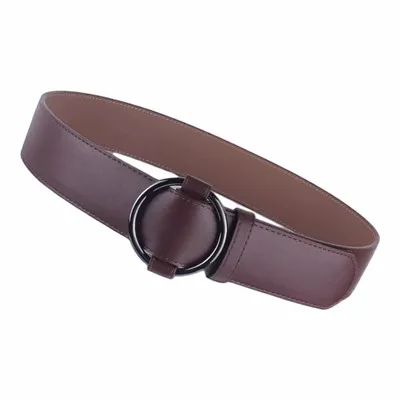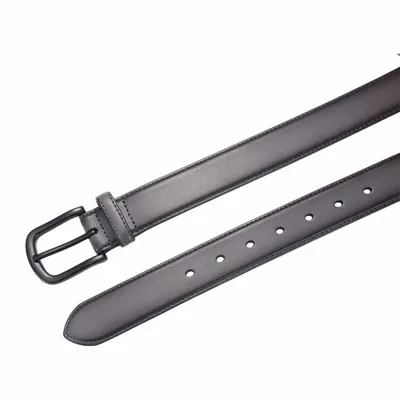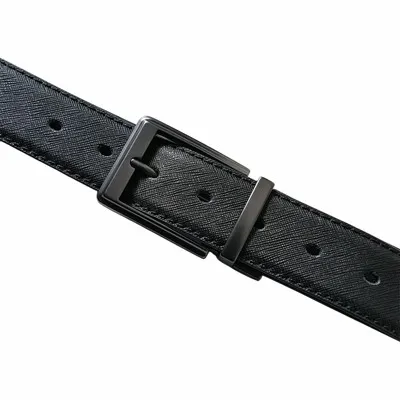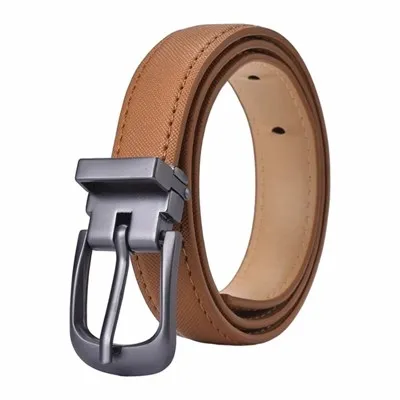

The distinctive quality of genuine leather lies in these subtle details:
1. Texture and Pores: Natural leather features irregular grain patterns and distinct pores (cowhide tends to be fine and uniform, while yak hide is rugged and coarse); every inch of its texture is unique-much like a work of art-and the soft, fibrous layer beneath the surface adds a further dimension of tactile richness.
2. Touch and Elasticity: Top-grain cowhide feels firm and structured when new, yet softens beautifully with prolonged use; in contrast, artificial leather remains rigidly stiff over time, retaining an artificial, industrial feel.
3. Cross-Sectional View: When viewed in cross-section, genuine leather resembles the growth rings of a tree-dense, compact, and organic; artificial leather, however, looks like a sandwich, displaying distinct, clearly defined layers.
4. Thickness and Flexibility: An ideal thickness ranges from 2.5 to 4 mm; material that is too thin feels flimsy and insubstantial, while material that is too thick feels bulky and cumbersome. Genuine leather possesses natural resilience, springing back to its original shape after being bent or flexed.