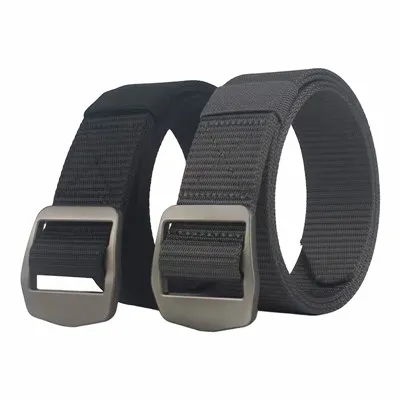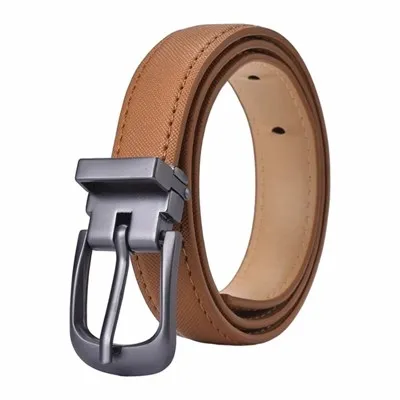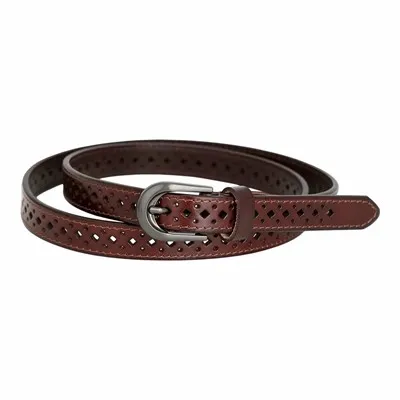

In the world of leather goods, "genuine leather" and "artificial leather" are often confused. This is particularly true when selecting a belt; understanding the fundamental differences between the two is crucial, as it directly impacts the belt's quality and your overall user experience.
Genuine Leather vs. Artificial Leather
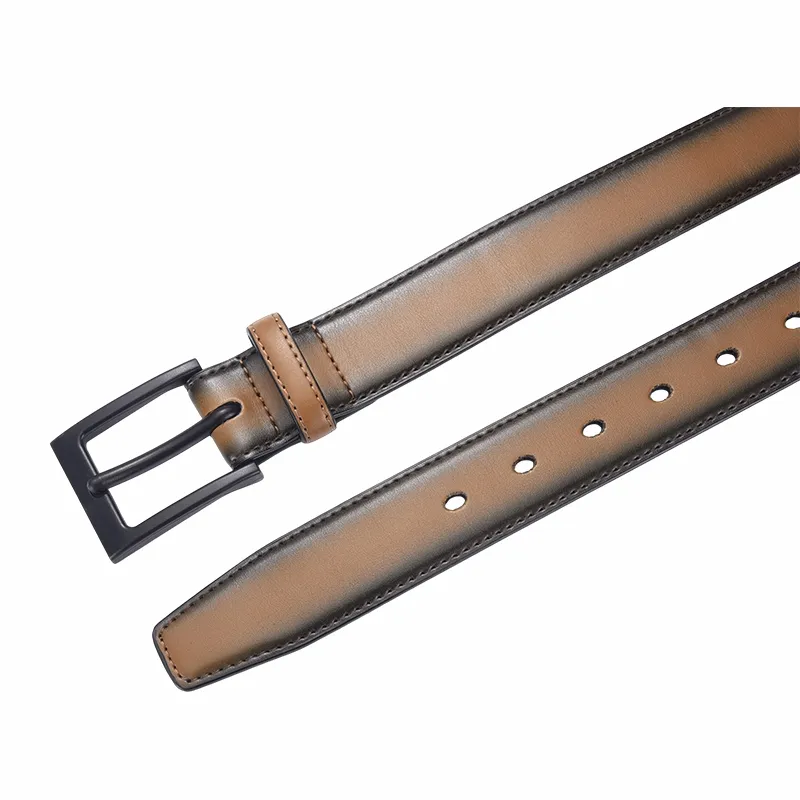
Genuine leather is derived from natural animal hides-such as cowhide, sheepskin, and others. Taking cowhide as an example: *top-grain cowhide* retains the outermost layer of the hide (the grain). It features a distinct texture, a soft and supple feel, excellent elasticity, and superior breathability and durability. Belts crafted from top-grain cowhide possess a premium aesthetic; the longer they are worn, the more they develop a unique luster and character. *Split leather* (or second-layer leather) consists of the remaining layers of the hide after the top grain has been removed. It is typically treated with processes such as lamination; while it retains some leather-like properties, it falls short of top-grain leather in terms of texture, breathability, and durability.
Artificial leather, conversely, is a synthetic material created through chemical processes designed to mimic the characteristics of genuine leather. Its surface texture is typically uniform and regular, lacking the natural variations inherent in genuine leather. In terms of breathability, artificial leather generally performs poorly and can feel stifling or clammy when worn. It also tends to be less durable, making it prone to issues such as scuffing or cracking after prolonged use.
Buying Tips
When shopping for a belt, the first step is to identify the material. Observe the surface texture: genuine leather exhibits a natural grain with subtle, unique variations, whereas artificial leather features an overly uniform and regular pattern. Next, touch the material: genuine leather feels soft and warm to the touch, while artificial leather tends to feel relatively stiff and somewhat slick or "tacky." You can also rely on your sense of smell: genuine leather carries a faint, natural scent of animal hide, whereas artificial leather typically emits a chemical odor.
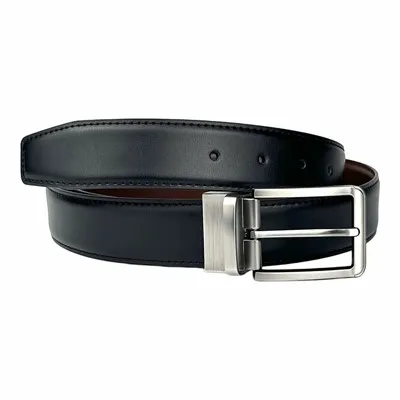
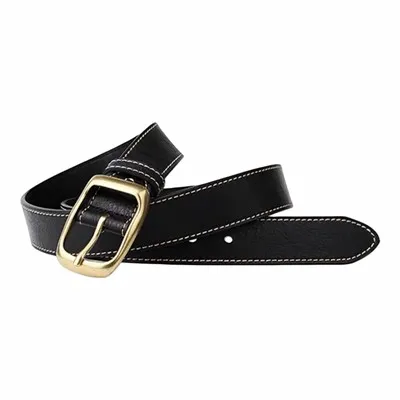
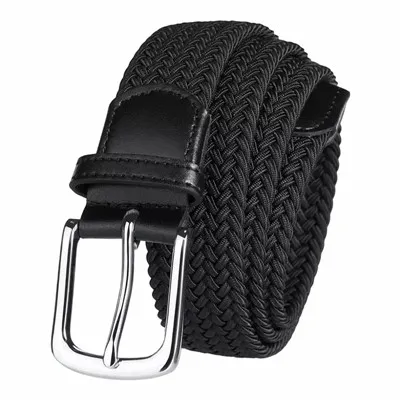
The belt's width should be appropriate for the occasion. For daily business settings, a belt measuring 3 to 3.5 centimeters in width is ideal; it offers a simple yet sophisticated look that complements suits and dress trousers, projecting a polished and professional image. For casual occasions, a wider belt-ranging from 3.5 to 4 centimeters-allows you to better express your personal style, pairing effortlessly with jeans or casual trousers for a fashionable and relaxed vibe. The buckle is another element that should not be overlooked. In terms of material, metal buckles are sturdy and durable, exuding a sense of quality; common examples include stainless steel and copper alloys. Plastic buckles, on the other hand, tend to be relatively inexpensive. Regarding style, the pin buckle is a classic, versatile choice suitable for a wide range of aesthetics; the plate buckle is stylish and bold-perfect for young trendsetters; while the automatic buckle offers speed and convenience, making it ideal for those who prioritize ease of use.
Conclusion
Investing in a genuine leather belt is not merely a sign of respect for your trousers, but also a testament to your own discerning taste. Master these tips so you no longer settle for cheap faux-leather belts; a high-quality genuine leather belt can keep you looking stylish and elegant for years to come!