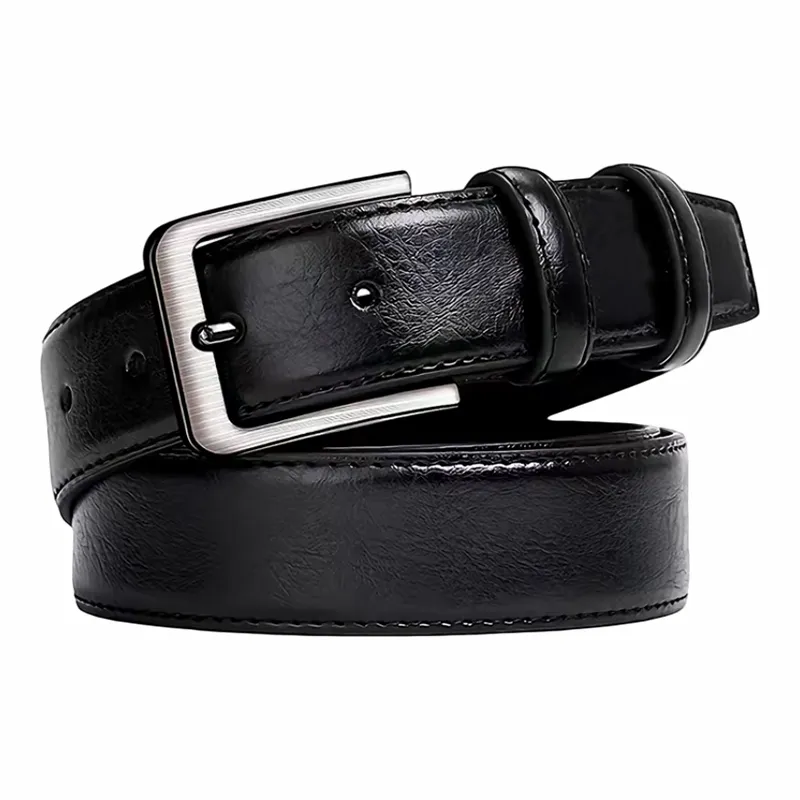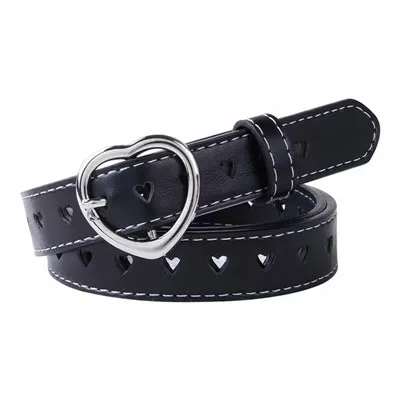

Basic Characteristics of PU Belts
Belts made from PU (polyurethane) material have garnered widespread attention due to their flexibility and abrasion resistance. This synthetic material combines the elasticity of rubber with the strength of plastic, enabling it to perform exceptionally well in industrial applications. PU belts are highly resistant to deformation and possess strong tear resistance, making them suitable for power transmission systems involving medium loads.
The Impact of Environment on Durability
The durability of a PU belt depends significantly on the environment in which it is used:
- Dry Environments: Performs well; service life can reach 3–5 years.
- Humid Environments: Requires precautions against mold growth; models featuring special protective coatings are recommended.
- High-Temperature Environments: Sustained exposure to temperatures exceeding 80°C will accelerate material aging.
- Chemical Exposure: Exhibits moderate oil resistance; careful selection is required when used in environments involving strong acids or alkalis.
Practical Tips for Extending Service Life
Want to maximize the value and lifespan of your PU belts? Try these methods:
- Regularly inspect belt tension; both excessive tightness and looseness can compromise service life.
- Keep the transmission system clean to prevent wear caused by impurities.
- Avoid folding the belt during storage; laying it flat is the preferred method.
- Consult with a professional expert before using the belt in extreme environmental conditions.