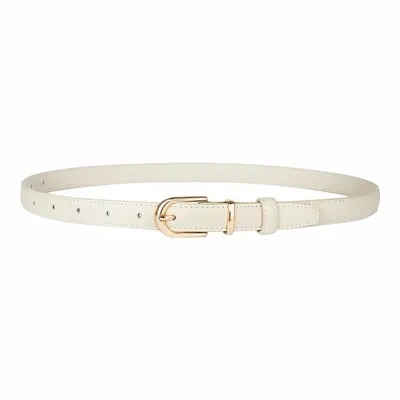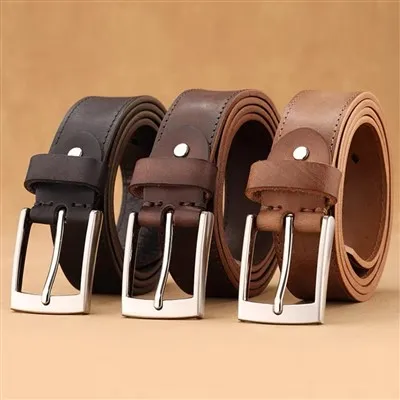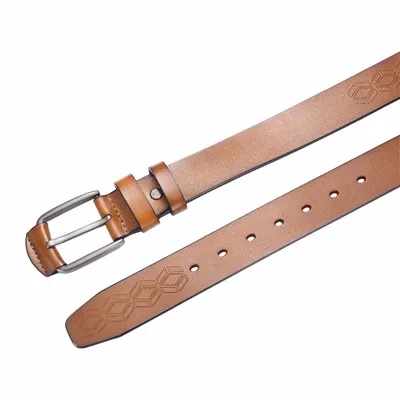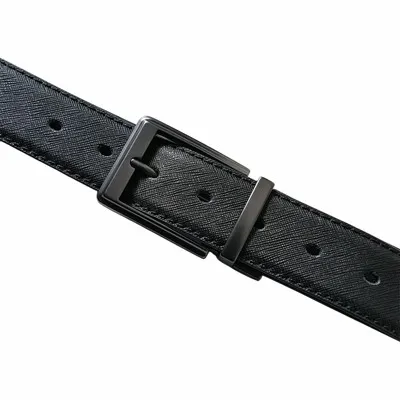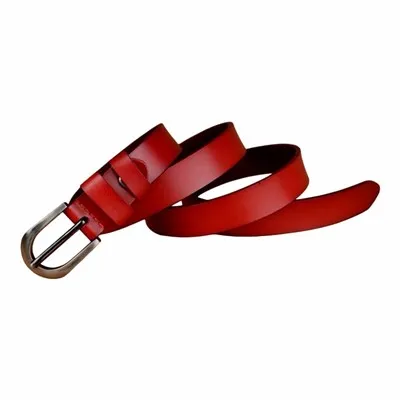

The lifespan of a genuine leather belt typically ranges from a few years to several decades, depending on the material, usage habits, and maintenance methods. If high-quality leather (such as vegetable-tanned top-grain cowhide) is used and the belt is maintained regularly, lasting for several decades is entirely feasible; however, if maintenance is improper or low-quality materials are used, the belt may only last for a few years. The following is a detailed analysis:
The Impact of Material on Lifespan
- Top-Grain Leather vs. Split Leather/PU Leather: Top-grain leather (especially vegetable-tanned top-grain cowhide) is more durable than split leather or PU leather. For instance, the Italian vegetable-tanned top-grain cowhide used in "Qimian" belts boasts a durability comparable to the handles and piping found on LV handbags, easily enduring eight to ten years of normal use without issue.
- Vegetable-Tanned Leather vs. Chrome-Tanned/Oil-Waxed Leather: Vegetable-tanned leather is more durable than chrome-tanned or oil-waxed leather because it undergoes minimal chemical processing, thereby retaining the natural characteristics of the hide.
- Cowhide vs. Sheepskin/Pigskin: Cowhide is more abrasion-resistant and tear-resistant than sheepskin or pigskin, making it ideal for crafting items-such as belts-that are subject to tensile stress.
The Impact of Usage Habits on Lifespan
- Water and Stain Protection: Vegetable-tanned leather is absorbent; exposure to water or liquid oil stains can cause discoloration and soiling. Therefore, during daily use, one should avoid allowing the belt to come into contact with water or stains. If accidental contact occurs, immediately wipe the belt with a dry cloth and allow it to air-dry in a well-ventilated area.
- Avoid Contact with Hard Objects: Hard objects-such as fingernails or keys-can easily leave scratches on the belt's surface. Avoid direct contact with such items while wearing the belt; when storing it, either place the belt in a separate spot or wrap it in a soft cloth for protection.
- Avoid Excessive Stretching: Belts are subjected to tensile force during wear; excessive stretching can cause the leather to deform or crack. Consequently, one should select a belt of the appropriate length and avoid pulling on it forcefully while wearing it.
The Impact of Maintenance on Lifespan
- Regular Conditioning: Regularly applying a leather conditioner (such as mink oil, neatsfoot oil, or horse oil) to the belt helps maintain the leather's softness and luster, thereby extending its lifespan. A recommended conditioning schedule is once every six months, or at least once per year. In dry seasons or arid regions, the frequency of conditioning may be increased as needed.
- Proper Wiping: When wiping the belt, use a clean, soft cloth. Apply the conditioning oil slowly using a circular motion to ensure it spreads evenly without leaving streaks. Avoid using excessive oil or pouring it directly onto the belt, as this may result in uneven absorption or stain the leather.
- Ventilated Drying: Once conditioning is complete, place the belt in a well-ventilated area to air dry. Avoid direct sunlight or exposure to high heat, which can cause the leather to warp or crack.
Maintenance Tips for Different Leather Types
- Vegetable-Tanned Leather Belts: Vegetable-tanned leather is prone to absorbing moisture, fading, and scratching; therefore, special care must be taken to protect it from water and stains, and to avoid contact with hard objects. For conditioning, use a mild product-such as mink oil-to preserve the leather's natural color and texture.
- Chrome-Tanned Leather Belts: Chrome-tanned leather is relatively more resistant to water and stains, though prolonged exposure to water or chemical substances should still be avoided. For conditioning, use a general-purpose leather conditioner or shoe polish to maintain the leather's luster and suppleness.
- Oil-Waxed Leather Belts: Oil-waxed leather features a unique lustrous finish and water-resistant properties; however, its sheen may diminish after prolonged use. To restore the leather's luster and water resistance, apply a wax-based conditioner that closely matches the leather's color.