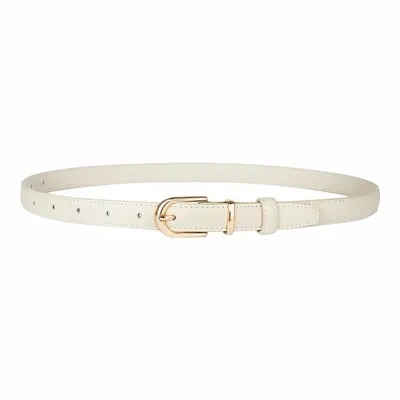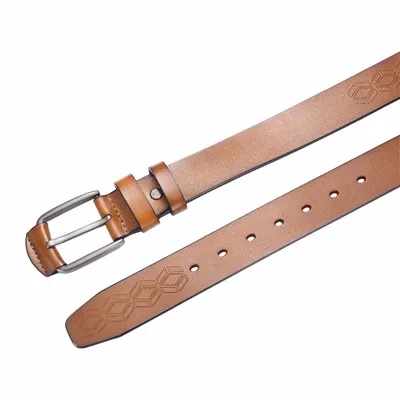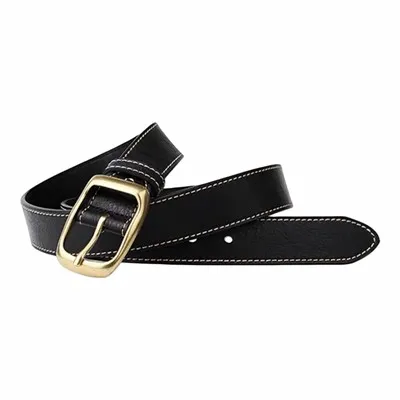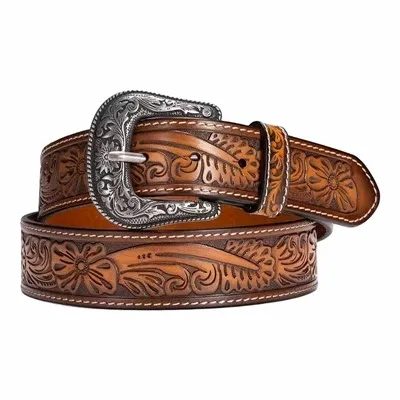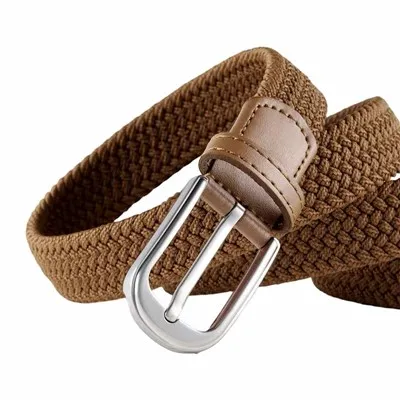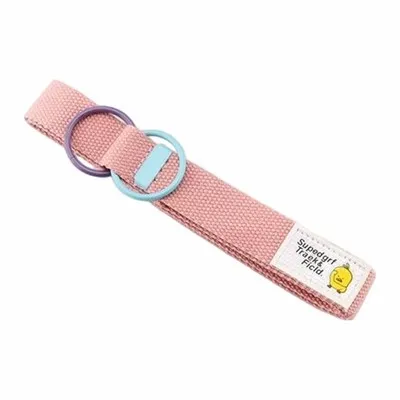

The buckle of a men's belt is not merely a decorative element; rather, it serves as the core structural component that dictates the mechanics of wear, the method of adjustment, and the overall lifespan of the belt.
Based on mechanical principles and operational mechanisms, mainstream belt buckles can be broadly categorized into five types: the Pin Buckle (a traditional prong-and-hole style secured by a metal pin); the Automatic Buckle (featuring an internal spring-loaded latch that locks with a single press); the Plate Buckle (comprising a wide metal plate and a sliding slot mechanism); the Hook Buckle (characterized by a dual-hook interlocking system, commonly found in workwear); and the Folding Buckle (which utilizes a multi-segment hinged mechanism to secure the belt). Among these, the Pin Buckle is considered the most classic, while the Automatic Buckle offers the greatest convenience; together, these two types account for over 80% of the market share in both business and casual settings. The choice of buckle type directly influences the belt's drape, the rate of wear and tear on the adjustment holes, and the efficiency of one-handed operation; it also indirectly serves as a reflection of the overall craftsmanship and quality of the belt itself.