
Distinguishing Authenticity Through a Designer's Lens:
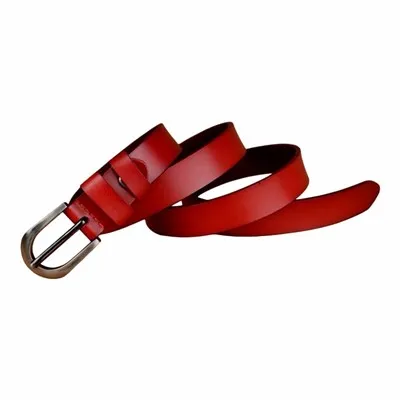
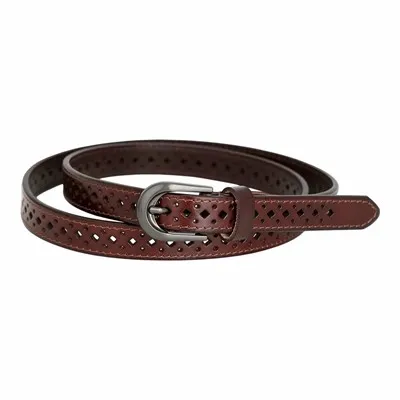
1. Observe Texture and Pores: The unique, natural imperfections of genuine leather-its "flawed beauty"-are impossible for machines to replicate; conversely, the flawless uniformity of artificial leather often gives it a cheap appearance.
2. Touch and Flex Test: Genuine leather is soft yet resilient-much like a true gentleman; faux leather, by contrast, feels stiff and rigid-reminiscent of a wooden puppet.
3. The Scent Test: Genuine leather carries a distinct, natural aroma of hide, whereas faux leather typically emits a chemical odor.
4. The Burn Test (Use with Caution): When subjected to heat, genuine leather reduces to fine ash; faux leather, however, melts into a hard, solid lump.
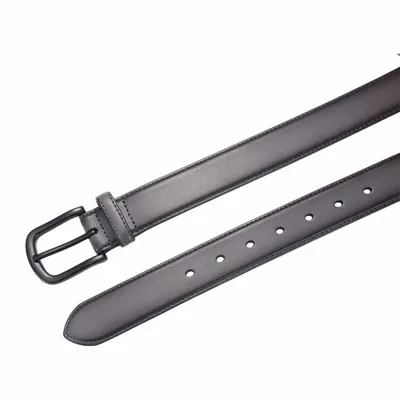
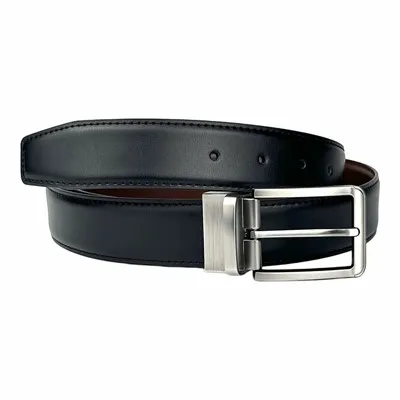
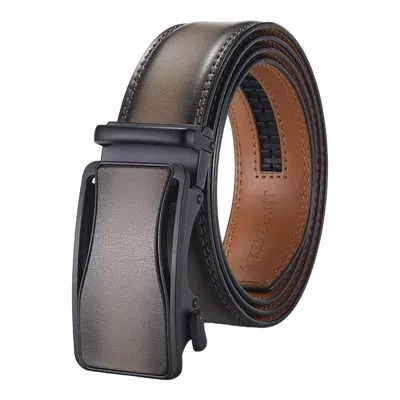
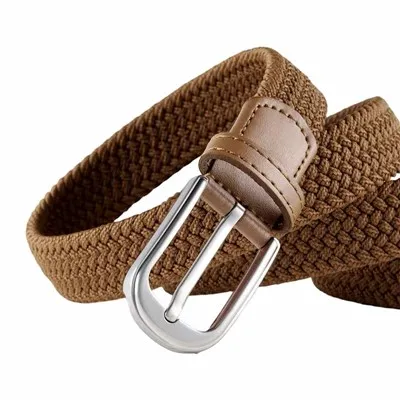
5. Inspect the Buckle and Craftsmanship: Metal hardware should be exquisitely finished-akin to fine jewelry-while the stitching should clearly reflect the artisan's meticulous skill. A self-locking buckle that operates with smooth, fluid precision is the hallmark of true elegance.