

As a supplier of Stretch PU Belts, I often get asked about the heat resistance of these belts. It's a crucial factor, especially for customers who use the belts in various environments. So, let's dive into what the heat resistance of a Stretch PU Belt really means.
Understanding PU Material
First, we need to understand what PU (Polyurethane) is. PU is a versatile polymer that's used in a wide range of products, from furniture to automotive parts. In the case of our Stretch PU Belts, it offers excellent flexibility, durability, and a smooth finish.
PU has some inherent properties that make it suitable for belts. It's resistant to abrasion, chemicals, and has good elastic memory, which means it can stretch and return to its original shape. But when it comes to heat, things get a bit more complicated.
Heat Resistance Basics
The heat resistance of a Stretch PU Belt is determined by several factors. One of the main factors is the type of PU used. There are different grades of PU, and each has a different tolerance to heat.
Generally, most Stretch PU Belts can withstand temperatures up to around 60 - 80 degrees Celsius (140 - 176 degrees Fahrenheit) without significant damage. At these temperatures, the belt will maintain its shape and elasticity. However, if the temperature goes beyond this range, the PU may start to degrade.
When exposed to high heat, the PU can become soft and lose its shape. This can lead to the belt stretching more than it should and not returning to its original form. In extreme cases, the PU may even melt or break down, rendering the belt useless.
Factors Affecting Heat Resistance
Several factors can affect the heat resistance of a Stretch PU Belt.
1. Thickness of the Belt
Thicker belts tend to have better heat resistance. This is because the extra material can absorb more heat before it starts to affect the overall structure of the belt. A thicker belt can act as an insulator to some extent, protecting the inner layers of the PU from the full impact of the heat.
2. Additives in the PU
Manufacturers can add certain additives to the PU to improve its heat resistance. These additives can help the PU withstand higher temperatures without degrading. For example, some additives can form a protective layer on the surface of the belt, reducing the direct contact of the heat with the PU.
3. Duration of Heat Exposure
The length of time the belt is exposed to heat also matters. A short burst of high heat may not cause as much damage as continuous exposure to moderately high temperatures. For instance, if a belt is briefly exposed to a hot surface, it may recover without any issues. But if it's left in a hot environment for hours, the chances of damage increase.
Applications and Heat Resistance
The heat resistance of a Stretch PU Belt is important in different applications.
1. Industrial Applications
In industrial settings, belts are often used in machinery that generates heat. If the belt doesn't have good heat resistance, it can fail prematurely, leading to production downtime and increased costs. For example, in a conveyor system, the belt may be exposed to the heat generated by the motors or the products being transported. A heat-resistant Stretch PU Belt can ensure smooth operation and longer service life.
2. Sports Applications
In sports, the heat resistance of a belt can also be crucial. Athletes may sweat a lot during intense physical activity, which can increase the temperature around the belt. A belt that can withstand this heat will be more comfortable to wear and last longer. Check out our PU Sports Belt for sports-specific needs.
3. Casual Use
Even for casual wear, heat resistance is important. On a hot summer day, the belt may be exposed to direct sunlight, which can heat it up. A belt with good heat resistance will maintain its appearance and functionality, ensuring it looks good and lasts. Our PU Casual Belt is designed for everyday use with these factors in mind.
Testing the Heat Resistance
As a supplier, we conduct various tests to determine the heat resistance of our Stretch PU Belts. We use specialized equipment to expose the belts to different temperatures and measure their performance.
We check for changes in the belt's shape, elasticity, and surface quality. For example, we may measure the belt's length before and after heat exposure to see if it has stretched permanently. We also look for any signs of melting or discoloration.
These tests allow us to provide accurate information to our customers about the heat resistance of our belts. It also helps us improve our manufacturing processes to enhance the heat resistance of our products.
Tips for Maintaining Heat Resistance
If you're using a Stretch PU Belt, there are some things you can do to maintain its heat resistance.
1. Avoid Excessive Heat
Try to keep the belt away from direct sources of high heat, such as open flames, hot engines, or industrial heaters. If possible, use the belt in a well-ventilated area to prevent heat buildup.
2. Proper Storage
When not in use, store the belt in a cool and dry place. Avoid storing it in a hot attic or a car trunk on a sunny day. This can help preserve the belt's heat resistance over time.
3. Regular Inspections
Check the belt regularly for any signs of damage or wear. If you notice any changes in the belt's appearance or performance, such as excessive stretching or discoloration, it may be a sign that the heat resistance is being affected.
Conclusion
The heat resistance of a Stretch PU Belt is an important factor to consider, whether you're using it in an industrial setting, for sports, or for casual wear. Understanding the factors that affect heat resistance and taking steps to maintain it can ensure that your belt lasts longer and performs better.
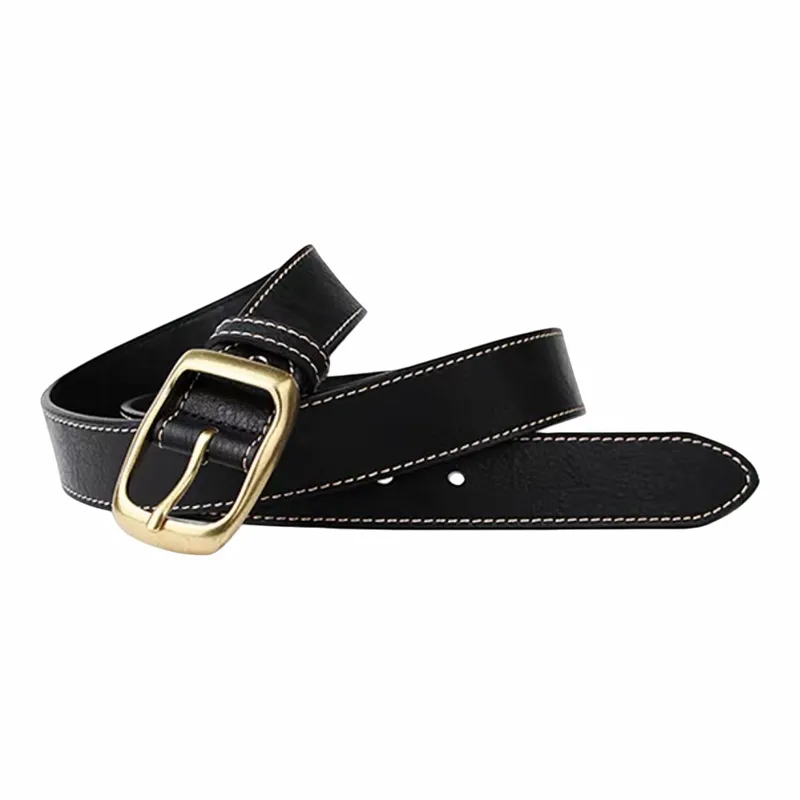
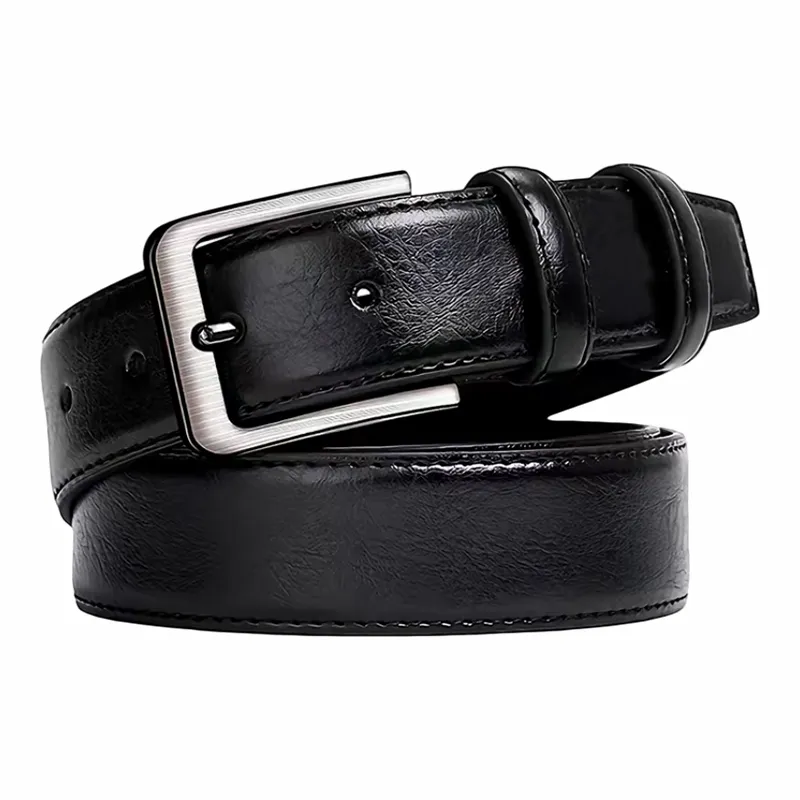
If you're interested in purchasing Stretch PU Belts, we offer a wide range of options, including our PU Sports Belt, PU Material Belt, and PU Casual Belt. Feel free to contact us to discuss your specific needs and start a purchase negotiation. We're always happy to help you find the right belt for your requirements.
References
- "Polyurethane Handbook" by G. Oertel
- "Materials Science and Engineering: An Introduction" by William D. Callister Jr.
