

Dyeing a PU belt is a question that many people, especially those in the fashion and accessory industry, often ponder. As a supplier of high - quality PU belts, I've encountered numerous inquiries regarding the possibility of dyeing these belts. In this blog, I'll delve into the science behind PU materials, the feasibility of dyeing PU belts, and share some insights based on my experience in the business.
Understanding PU Material
PU, or polyurethane, is a synthetic material widely used in the production of belts due to its durability, flexibility, and cost - effectiveness. It can mimic the look and feel of leather, making it a popular choice for various types of belts, including PU Dress Belt, PU Casual Belt, and PU Sports Belt.
PU is composed of polymers that have a specific molecular structure. This structure gives PU its unique properties such as resistance to abrasion, water, and chemicals. However, this same structure also affects the dyeing process. Unlike natural leather, which has a porous surface that can absorb dyes easily, PU has a more closed - cell structure. This means that dyes have a harder time penetrating the material.
The Feasibility of Dyeing PU Belts
The short answer is yes, it is possible to dye a PU belt, but with several caveats. The success of the dyeing process depends on several factors, including the type of PU, the quality of the dye, and the dyeing method used.
Type of PU
There are different types of PU, such as coated PU and cast PU. Coated PU has a thin layer of PU applied to a fabric base, while cast PU is a solid sheet of PU. Coated PU may be more receptive to dyeing because the fabric base can absorb some of the dye, but the coating can also act as a barrier. Cast PU, on the other hand, is more difficult to dye due to its solid structure.
Quality of the Dye
Not all dyes are suitable for PU. You need to use dyes specifically formulated for synthetic materials. These dyes are designed to bond with the PU molecules and provide a long - lasting color. Using the wrong type of dye can result in poor color adhesion, uneven coloring, or damage to the belt.
Dyeing Method
There are two main methods of dyeing PU belts: immersion dyeing and spray dyeing.
- Immersion Dyeing: This involves submerging the belt in a dye bath. It can provide a more even color, but it requires careful control of the dye concentration, temperature, and immersion time. If the belt is left in the dye bath for too long, it can become over - dyed or damaged.
- Spray Dyeing: This method is more suitable for small - scale or spot - dyeing. It allows for more precise application of the dye, but it can be more difficult to achieve an even color.
Step - by - Step Guide to Dyeing a PU Belt
If you decide to dye your PU belt, here is a general step - by - step guide:
Step 1: Prepare the Belt
Clean the belt thoroughly to remove any dirt, oil, or debris. You can use a mild detergent and water, then dry the belt completely.
Step 2: Choose the Right Dye
Select a dye that is specifically formulated for synthetic materials. Read the instructions on the dye package carefully to ensure proper usage.
Step 3: Prepare the Dye Bath (for immersion dyeing)
Follow the instructions on the dye package to prepare the dye bath. Make sure to use the correct amount of dye and water, and heat the water to the recommended temperature.
Step 4: Dye the Belt
- Immersion Dyeing: Submerge the belt in the dye bath and stir gently to ensure even coloring. Keep the belt in the dye bath for the recommended time, then remove it and rinse it thoroughly with water.
- Spray Dyeing: Hold the spray can at a consistent distance from the belt and apply the dye in a smooth, even motion. Allow the dye to dry between coats.
Step 5: Finish the Belt
After the dye has dried, you can apply a protective coating to the belt to enhance its durability and colorfastness.
Potential Challenges and Risks
Dyeing a PU belt is not without its challenges. Here are some potential issues you may encounter:
- Color Variation: Achieving an even color can be difficult, especially with spray dyeing. The color may also vary depending on the type of PU and the dyeing method used.
- Damage to the Belt: If the dye is not applied correctly or if the wrong type of dye is used, it can damage the belt. This can include discoloration, cracking, or peeling of the PU.
- Colorfastness: The color of the dyed belt may fade over time, especially if it is exposed to sunlight, water, or friction.
As a Supplier's Perspective
As a supplier of PU belts, I understand the importance of providing high - quality products. While dyeing PU belts is possible, I always recommend that customers consider the potential risks and challenges. We offer a wide range of pre - dyed PU Dress Belt, PU Casual Belt, and PU Sports Belt in various colors and styles to meet different customer needs.
If you are interested in purchasing our PU belts, we are more than happy to discuss your requirements. Whether you need a large quantity for a retail store or a small batch for a special event, we can provide you with the best solutions. Our team of experts can also offer advice on belt selection, care, and maintenance.

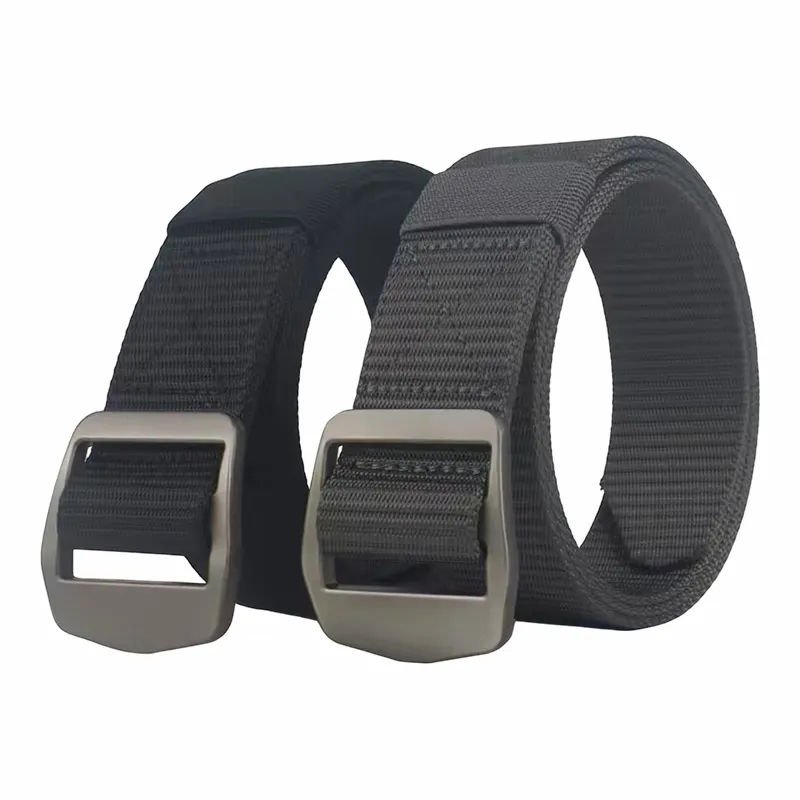
In conclusion, while it is possible to dye a PU belt, it is a process that requires careful consideration and proper technique. If you are not confident in your ability to dye the belt yourself, it may be best to purchase a pre - dyed belt from a reliable supplier.
References
- "Polyurethane: Properties, Applications, and Processing" by X. Zhang and Y. Wang.
- "Dyeing of Synthetic Materials" by R. Smith.
