

As a supplier of genuine leather belts, I often encounter customers with a common question: "Can I repair a damaged genuine leather belt?" This is a concern that many belt owners have, and the answer is not as straightforward as one might think. In this blog, I'll share my insights on the topic, drawing from my experience in the leather belt industry.
Understanding Genuine Leather
Before delving into the repair process, it's essential to understand what genuine leather is. Genuine leather is made from the hide of an animal, typically cows. It's a natural material that offers durability, flexibility, and a unique aesthetic. However, like any natural material, it's susceptible to damage over time.
There are different grades of genuine leather, each with its own characteristics and quality. For instance, Top Grain Belt is made from the top layer of the hide, which is the most durable and has a smooth, even surface. On the other hand, Genuine Leather Work Belt is designed for heavy-duty use and may be made from a lower grade of leather, but it's still strong and resilient.
Common Types of Damage
Genuine leather belts can be damaged in various ways. Here are some of the most common types of damage:
- Scratches and Scuffs: These are often caused by everyday wear and tear, such as rubbing against rough surfaces or being caught on sharp objects.
- Cracks and Tears: Over time, the leather may become dry and brittle, leading to cracks and tears. This can be exacerbated by exposure to extreme temperatures or harsh chemicals.
- Color Fading: Sunlight and frequent use can cause the color of the leather to fade, making the belt look dull and worn.
- Loose or Broken Buckles: The buckle is an essential part of the belt, and it can become loose or break over time. This can be due to poor quality or excessive use.
Assessing the Damage
The first step in determining whether a damaged leather belt can be repaired is to assess the extent of the damage. Minor scratches and scuffs can often be easily fixed, while more severe damage, such as large tears or extensive color fading, may require professional repair.
Here are some factors to consider when assessing the damage:
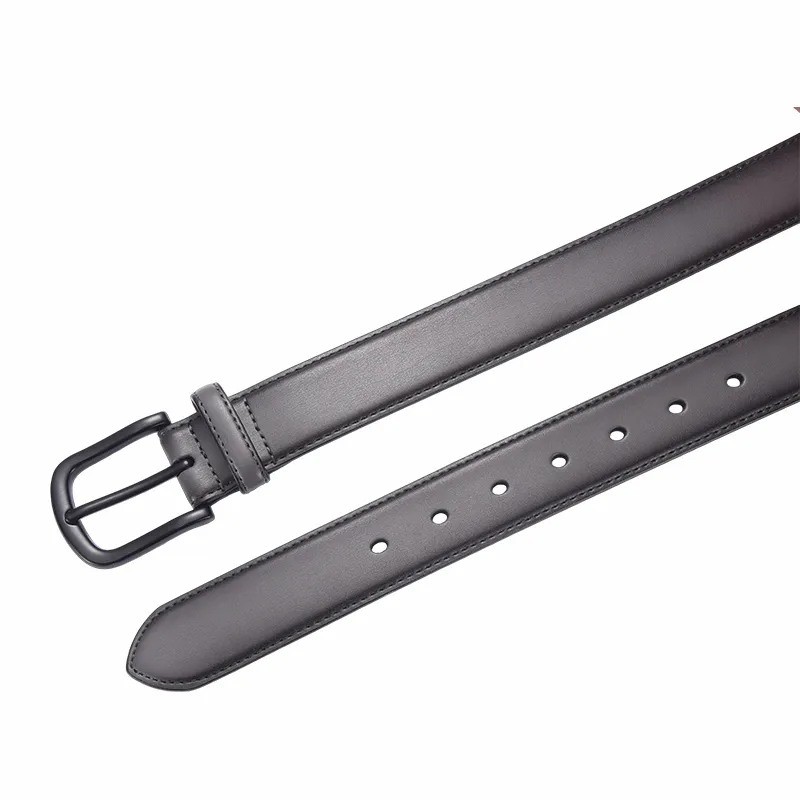
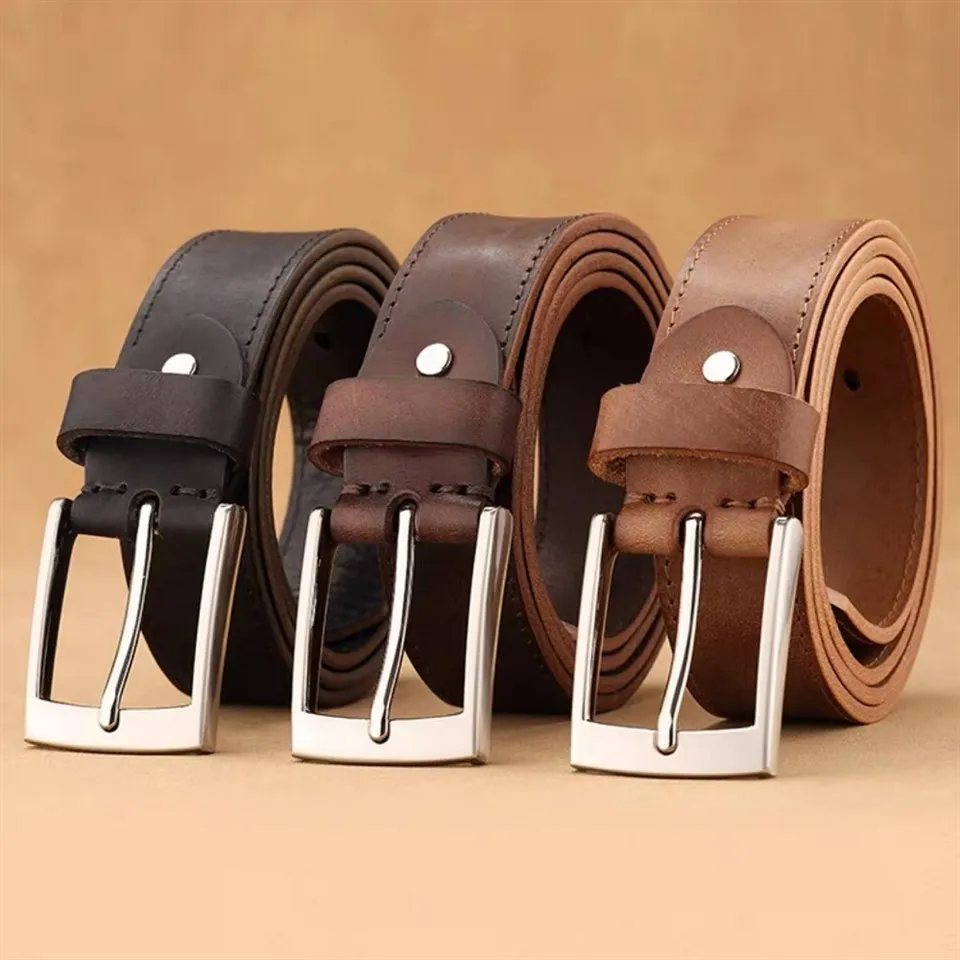
- Location of the Damage: Damage to the buckle or the tip of the belt may be easier to repair than damage to the main body of the belt.
- Type of Leather: Different types of leather may require different repair methods. For example, top grain leather is more durable and may be easier to repair than full grain leather.
- Age of the Belt: Older belts may be more prone to damage and may require more extensive repair.
DIY Repair Options
For minor damage, there are several DIY repair options that you can try at home. Here are some tips:
- Clean the Belt: Before attempting any repairs, it's important to clean the belt to remove any dirt or debris. You can use a mild leather cleaner and a soft cloth to gently clean the belt.
- Use Leather Conditioner: Leather conditioner can help to moisturize the leather and prevent it from drying out and cracking. Apply a small amount of conditioner to a soft cloth and rub it into the leather in a circular motion.
- Repair Scratches and Scuffs: For minor scratches and scuffs, you can use a leather repair kit. These kits typically include a filler and a colorant that can be used to fill in the scratches and match the color of the leather.
- Fix Loose or Broken Buckles: If the buckle is loose or broken, you can try tightening the screws or replacing the buckle. You can find replacement buckles at most hardware stores or online.
Professional Repair Services
For more severe damage, it's best to seek the help of a professional leather repair service. These services have the expertise and equipment to repair even the most damaged leather belts.
Here are some benefits of using a professional repair service:
- Expertise: Professional leather repair technicians have years of experience working with leather and can provide high-quality repairs.
- Quality Materials: Professional repair services use high-quality materials that are specifically designed for leather repair. This ensures that the repairs are durable and long-lasting.
- Warranty: Many professional repair services offer a warranty on their repairs, giving you peace of mind.
Preventing Damage
While it's possible to repair a damaged leather belt, it's always better to prevent damage in the first place. Here are some tips to help you keep your leather belt in good condition:
- Store the Belt Properly: When not in use, store the belt in a cool, dry place. Avoid storing the belt in direct sunlight or in a humid environment, as this can cause the leather to dry out and crack.
- Avoid Contact with Harsh Chemicals: Harsh chemicals, such as bleach and solvents, can damage the leather. Avoid using these chemicals on your belt or exposing it to them.
- Use a Leather Protector: A leather protector can help to prevent scratches, stains, and water damage. Apply a leather protector to your belt regularly to keep it in good condition.
- Rotate Your Belts: If you have multiple belts, rotate them regularly to prevent excessive wear and tear on any one belt.
Conclusion
In conclusion, the answer to the question "Can I repair a damaged genuine leather belt?" is yes. With the right tools and techniques, it's possible to repair minor damage to a leather belt at home. However, for more severe damage, it's best to seek the help of a professional leather repair service.
As a supplier of genuine leather belts, I'm committed to providing high-quality products and excellent customer service. If you have any questions about our products or need help with belt repair, please don't hesitate to contact us. We're here to help you find the perfect belt and keep it in good condition for years to come.
References
- Leather Care Guide, Leather Experts
- Leather Repair Techniques, Professional Leather Repair Association
